


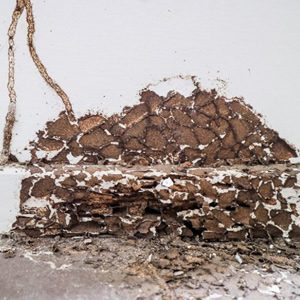
What Does Termite Damage to Baseboards Look Like?
Contents
- 1 What Does Termite Damage to Baseboards Look Like?
- 2 🚨 Real Question Homeowners Ask:
- 3 Is It Really Termites? How to Tell for Sure
- 4 🧠 People Also Ask:
- 5 Fixing Termite-Damaged Baseboards the Right Way
- 6 How to Keep Termites from Damaging Your Baseboards Again
- 6.1 Proven Prevention Tactics Every Homeowner Can Use
- 6.2 1. Get a Professional Termite Inspection Annually
- 6.3 2. Apply Termite Barriers and Soil Treatments
- 6.4 3. Install Bait Stations Like Sentricon or Trelona
- 6.5 4. Seal Up Gaps and Cracks Around Your Home
- 6.6 5. Control Moisture Like a Pro
- 6.7 🧠 People Also Ask:
- 7 The Real Cost of Termite Damage—and How to Avoid Paying Twice
- 8 FAQs: Termite Damage Baseboard
Signs of Termite Activity Most Homeowners Miss
You’re vacuuming one day and suddenly notice the baseboard in the hallway looks a little… off. Maybe it’s warped. Or feels oddly hollow when tapped. Could it be termites?
If you’re seeing something strange near the bottom edge of your walls, don’t ignore it. Termite damage to baseboards is one of the most common—and most overlooked—early signs of a larger infestation brewing inside your home.
Here’s what to look out for:
1. Warped or Buckling Baseboards
Termites often attack from the inside out. What seems like a minor bulge or ripple in the baseboard could be a sign of internal wood damage.
Unlike water damage, which usually creates soft, spongey textures and discoloration, termite damage often makes wood feel dry, flakey, or even papery. In some cases, it will visibly pull away from the wall.
2. A Hollow Sound When Tapped
Use your knuckle or the handle of a screwdriver to lightly tap along the baseboard.
-
Solid baseboards will have a dense, sharp sound.
-
Termite-damaged baseboards sound hollow, thin, or sometimes brittle—especially near the corners.
This is because subterranean termites chew through the inside of the wood, often leaving a very thin outer veneer that conceals the damage.
3. Mud Tubes Along the Floor or Behind Furniture
One of the most tell-tale signs of subterranean termites is the appearance of mud tubes.
These small, dried mud tunnels typically run:
-
Along the baseboard
-
Behind or under furniture
-
Up from cracks in the flooring
They serve as highways for termites to move from the soil to your wooden structures, safely and moisture-protected.
4. Frass: The Hidden Droppings of Drywood Termites
If you’re on the West Coast or the South, drywood termites are your most likely enemy.
Drywood termites don’t need contact with soil, so they live inside your baseboards, beams, or trim.
Their waste (called frass) looks like:
-
Fine sawdust
-
Coffee grounds
-
Piles at the base of the wall or directly under light switches and outlets
If you spot frass under baseboards, you probably have drywood termite activity.
5. Peeling Paint and Bubbling Finish
Another clue? The paint on your baseboard starts bubbling or cracking for no clear reason.
Why? Because termites raise the moisture level inside the wood. That extra moisture can cause latex paint or varnish to peel or blister over time.
This is often confused with humidity or water pipe problems—but check for termites before you call a plumber.
🚨 Real Question Homeowners Ask:
“How do I know it’s termites and not just old or rotting wood?”
Great question—and we’re covering that in the next section.
But here’s a tip: If you see multiple signs listed above—especially frass or mud tubes—it’s likely not just age.
Even brand-new homes in termite-prone areas can be hit within months of construction if proper soil treatments weren’t done.
Is It Really Termites? How to Tell for Sure
Confirming Termite Damage vs. Other Pests or Rot
You’ve spotted some suspicious signs—maybe it’s warping, frass, or bubbling paint. But how do you know it’s really termite damage to your baseboard, and not ants, mold, or simple rot?
A lot of homeowners misdiagnose the issue, wasting time and money treating the wrong thing. So here’s how to know for sure.
1. Termite Damage vs. Water Damage
Water damage tends to be soft to the touch, spongey, or darkly stained. The wood often gives way when you press it gently.
Termite damage, on the other hand, usually:
-
Feels brittle or hollow
-
Has jagged, uneven edges inside
-
Often lacks water staining
Tap it. Probe it with a screwdriver. If it crumbles, and you spot any tunnels or grooves beneath, you’re likely dealing with termites.
2. Termite Damage vs. Carpenter Ants
Carpenter ants also dig into wood, but they don’t eat it. Their tunnels are neatly sculpted and don’t have the muddy, packed appearance that termite tunnels do.
-
Smooth tunnel walls
-
Wood shavings (not frass)
-
Activity mostly seen at night
Signs it’s termites:
-
Rough, irregular tunnels
-
Mud tubes outside or behind the wall
-
Frass or hollow wood
If you’re still unsure, here’s the kicker: Termites avoid light. Carpenter ants don’t mind it as much. Gently open up a suspicious baseboard with a utility knife and check—if it’s dark, muddy, and packed tight, termites are your culprit.
3. Look for Termite Wings or Swarmers
During termite swarming season (spring to early summer), you might find:
-
Discarded wings near window sills
-
Swarmers flying near light sources
-
Clusters around indoor doorframes or vents
If you see swarmers indoors, termites are almost certainly inside your home already.
Learn about swarming termites here.
4. DIY Tools for Termite Detection
You can do a surprisingly effective check using cheap tools:
-
Screwdriver or awl: Probe baseboards for softness
-
Flashlight: Check dark corners behind furniture
-
Moisture meter: Termite colonies thrive in wood above 20% moisture
-
Stud finder with density reading: Can detect hollow spots
For under $40, you can get a moisture meter and density scanner combo online—cheaper than calling pest control at this stage.
5. When to Call a Professional
Here’s when it’s time to stop DIYing and bring in a termite expert:
-
You’ve found multiple mud tubes
-
The damage extends beyond baseboards into walls or floors
-
You hear faint clicking or chewing from inside the wood
-
Your home has a history of termite treatments
A pro can use acoustic sensors, thermal imaging, and even fiber-optic cameras to pinpoint colonies hidden deep in your walls.
They’ll also inspect your home’s foundation, crawl spaces, and attic for full infestation mapping.
🧠 People Also Ask:
Q: Can termites eat baseboards made of MDF or engineered wood?
A: Yes. Termites don’t care if it’s hardwood or MDF—they’ll eat through anything with cellulose, including particle board and laminated trim.
Q: How fast can termites destroy baseboards?
A: A colony of 60,000 can eat a 2×4 piece of wood in under six months. Baseboards are thinner—damage can appear in just weeks.
Fixing Termite-Damaged Baseboards the Right Way
Repair vs. Replace: What Makes More Sense
Once you’ve confirmed termite damage to your baseboards, the big question is:
Do you repair what’s there, or rip it out and replace it completely?
Spoiler: it depends on how deep the damage runs. Here’s how to decide.
1. When a Simple Repair Is Enough
If you caught the termites early, you might notice:
-
Minor hollowing or grooves inside the wood
-
Surface-level chipping or splintering
In this case, a patch and seal approach might work:
Quick Fix Process:
-
Clean out all damaged wood using a putty knife or chisel
-
Apply a wood hardener to stabilize any soft areas
-
Fill with wood filler or epoxy putty
-
Sand smooth, prime, and paint to match
This works best if less than 25% of the board is affected.
Pro tip: Use a filler that’s sandable and paintable. Avoid silicone-based caulks—they don’t hold paint well and can trap moisture.
2. When You Need to Replace the Baseboard
Sometimes, termites don’t just nibble—they gut the entire board from the inside out.
You’ll know replacement is needed if:
-
The board crumbles when touched
-
There are visible mud tunnels or holes along the bottom
-
You’ve found live termites or frass inside the trim
Here’s the correct process:
Full Baseboard Replacement Steps:
-
Score the caulk with a utility knife
-
Use a flat pry bar to gently remove the board
-
Scrape away old adhesive, nails, and debris
-
Check the wall behind the board for further damage
-
Cut a new baseboard to size (MDF, pine, or PVC)
-
Attach with nails or construction adhesive
-
Caulk, prime, and paint
Important: If you’re using MDF, make sure your home is now dry and termite-free. MDF swells with moisture and is a termite buffet if untreated.
3. Best Materials for Termite-Resistant Trim
If you’re replacing baseboards, go with materials that fight back.
Top Picks:
-
PVC trim: Not attractive to termites, water-resistant
-
Treated wood: Pressure-treated pine resists insects better
-
Composite boards: Engineered with resins and insect deterrents
-
Hardwoods (like oak): Tougher to chew through but more expensive
Avoid cheap MDF and untreated pine unless you’re 100% sure the infestation is gone and your space is bone dry.
4. Should You DIY or Hire a Pro?
DIY it if:
-
Damage is small and contained
-
You’re comfortable with basic tools
-
You want to save on labor costs
Hire a pro if:
-
You’re replacing multiple boards
-
Termite tunnels extend into walls or framing
-
You need the job done fast and clean
Expect to pay $4–$7 per linear foot for professional baseboard replacement—including materials and labor.
🧠 People Also Ask:
Q: Can I just paint over termite damage on baseboards?
A: No. Paint hides the damage but doesn’t stop decay or eliminate termites. You need to clean out or replace the affected wood first.
Q: What’s the best filler for repairing termite-damaged wood?
A: Use an epoxy wood filler for deep gaps. It bonds strongly and can be sanded and painted once dry.
How to Keep Termites from Damaging Your Baseboards Again
Proven Prevention Tactics Every Homeowner Can Use
So you’ve dealt with the damage—patched or replaced your baseboards. But unless you take steps now, termites could return and wreak havoc all over again.
Here’s how to shut the door on these silent destroyers for good.
1. Get a Professional Termite Inspection Annually
Why?
Even if you fixed the baseboards, you don’t know what’s going on behind your walls or under your floors.
A licensed termite inspector can:
-
Spot new colonies before they explode
-
Use moisture meters and infrared to detect hidden damage
-
Check your crawlspace, attic, and soil for activity
Inspections cost $75 to $150, but some pest control companies like Terminix or Orkin offer free initial checks.
2. Apply Termite Barriers and Soil Treatments
If your home sits on soil or near wood mulch, subterranean termites can sneak back in.
Solutions:
-
Liquid termiticides (like Taurus SC or Termidor HE) kill and repel
-
Create a trench around the foundation and pour in the treatment
-
Reapply every 5–10 years depending on product strength
Hire a pro if you’re unsure. Incorrect application means wasted money and a still-vulnerable house.
3. Install Bait Stations Like Sentricon or Trelona
These are low-profile, soil-inserted stations that lure termites and kill the entire colony over time.
Benefits:
-
Non-invasive
-
Safe around pets and kids
-
Monitored by pest control techs every few months
Top options:
-
Sentricon® (used by pros like Orkin and Terminix)
-
Trelona® ATBS
-
Advance Termite Bait System (ATBS)
Bait systems work best as ongoing protection, not emergency fixes.
4. Seal Up Gaps and Cracks Around Your Home
Think like a termite. They’re looking for:
-
Moisture
-
Rotting wood
-
Entry points less than 1/16 inch wide
Block them by:
-
Sealing cracks in the foundation and exterior walls
-
Installing door sweeps and weather stripping
-
Keeping wood mulch 12+ inches from your home
Bonus tip: If you have vinyl siding, check under it often. Termites love to tunnel up the hidden foam or insulation behind it.
5. Control Moisture Like a Pro
Moisture attracts termites like a magnet.
Prevention tips:
-
Fix leaky faucets, pipes, or sprinklers near the house
-
Clean gutters regularly
-
Use a dehumidifier in basements or crawlspaces
-
Ventilate bathrooms, kitchens, and laundry rooms properly
If your home sits in a humid region like Florida or Texas, moisture control is non-negotiable.
🧠 People Also Ask:
Q: How long does termite treatment last?
A: Liquid barriers last 5–10 years. Bait stations are effective as long as they’re monitored and maintained.
Q: Are bait systems better than spraying?
A: Bait stations kill the colony over time, while sprays offer immediate protection. Combining both gives the best results.
The Real Cost of Termite Damage—and How to Avoid Paying Twice
Repairs, Insurance, and What Most Homeowners Get Wrong
Let’s talk numbers—because termite damage isn’t just stressful, it’s expensive.
Especially when the baseboards are just the tip of the iceberg.
1. What Baseboard Repairs Actually Cost
Minor repair (patching holes, replacing a few feet):
👉 $200–$500
Moderate damage (entire wall section of baseboard needs replacing):
👉 $600–$1,500
Severe infestation (walls, flooring, studs affected):
👉 $2,000–$10,000+
These are average national estimates based on home repair rates and pest control reports.
Also consider:
-
Pest inspection and treatment ($500–$2,000)
-
Drywall repairs or mold removal (if moisture is involved)
2. Does Homeowners Insurance Cover Termite Damage?
Short answer: No, not usually.
Why?
-
Insurance companies view termite damage as preventable maintenance
-
If you didn’t take steps to stop them, they won’t pay
What you can do:
-
Get annual inspections (document everything)
-
Use bait or barrier systems as a proactive measure
-
Ask your provider if add-on termite coverage is available
Some companies like USAA or State Farm offer endorsements or specialty packages in certain states.
3. What to Do After Termite Damage is Found
If you’re seeing damage now:
-
Get a termite inspection immediately
-
Start repairs only after termites are eliminated
-
Ask for a WDI (Wood Destroying Insect) report for documentation
-
If the damage is extensive, consult a structural engineer
Avoid hiring just a handyman. You need a licensed pest control and contractor team who understand both the infestation and its impact.
FAQs: Termite Damage Baseboard
What does termite damage on baseboards look like?
-
Warped or wavy baseboards
-
Blisters in paint or wood
-
Hollow-sounding wood when tapped
-
Tiny pinholes or mud tubes nearby
Can termites come back after treatment?
Yes. Especially if:
-
The moisture issue isn’t fixed
-
You don’t monitor bait stations
-
Treatment wasn’t applied thoroughly
How do I permanently get rid of termites?
Use a multi-step approach:
-
Liquid barrier + bait station combo
-
Regular inspections
-
Moisture control + home sealing
What wood do termites avoid?
Cedar and redwood are more resistant, but not immune. Termites can still attack if wood is moist or rotting.
Should I replace baseboards or repair them?
If the damage is minor and isolated, patching might work. If it’s spread across multiple rooms, replacement is smarter and safer.