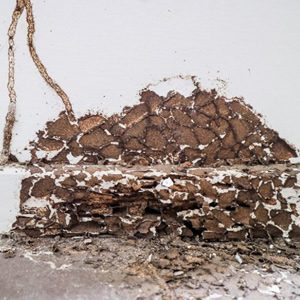


Southern California’s coastal climate creates ideal conditions for wood-destroying organisms to thrive. Warm temperatures and consistent humidity accelerate colony growth, putting structures at higher risk. Property owners face potential repair costs averaging $3,000-$15,000 for untreated infestations, according to national pest control data.
Local service providers recommend annual assessments for most homes, particularly those built before 2000. Companies with extensive regional experience utilize infrared scanners and moisture meters to detect hidden activity. These tools identify problems up to 75% faster than visual checks alone, according to industry studies.
Preventive maintenance plans typically cost less than emergency treatments. Many providers offer complimentary evaluations with no obligation, allowing residents to monitor their property’s status. This approach helps maintain structural integrity while avoiding unexpected expenses.
Key Takeaways
Contents
- 1 Understanding the Pest Risk Environment in San Diego
- 2 Expert termite inspection in san diego: What to Expect
- 3 Comprehensive Termite Control and Prevention Strategies
- 4 Conclusion
- 5 FAQ
- 5.1 How often should properties in San Diego be inspected for pests?
- 5.2 What environmental factors increase pest risks locally?
- 5.3 Do commercial buildings need different approaches than homes?
- 5.4 What non-chemical treatments are available for sensitive environments?
- 5.5 How do warranties work with pest management services?
- Coastal environments increase biological risks to building materials
- Advanced detection methods uncover hidden structural threats
- Annual evaluations help maintain property value
- Preventive care costs less than major repairs
- Professional assessments include customized protection plans
Understanding the Pest Risk Environment in San Diego
Coastal regions with Mediterranean weather patterns create a perfect storm for biological threats to structures. Warm breezes and consistent moisture accelerate reproductive cycles in wood-consuming insects, while urban development disrupts natural predator-prey balances. This combination demands proactive strategies from property managers and residents alike.
Local Ecosystem Dynamics
Neighborhood architecture and landscaping directly impact vulnerability. Historic districts often feature untreated timber frames and crawl spaces that attract destructive species. Modern high-rises face different issues, with centralized HVAC systems creating pathways for invasive organisms.
Property-Specific Vulnerabilities
Residential and commercial spaces require distinct approaches to pest management:
- Single-family homes often battle soil-based species attracted by garden irrigation
- Multi-unit complexes need solutions for shared walls and utility lines
- Food service establishments require EPA-approved treatments for kitchen areas
Geographical factors compound these challenges. Properties near canyons or wetlands encounter higher rodent activity, while beach-adjacent buildings face unique moisture-related issues. Regular monitoring helps identify risks before they escalate into structural emergencies.
Expert termite inspection in san diego: What to Expect
Professional assessments for wood-destroying organisms involve multi-step protocols tailored to regional risks. Leading San Diego pest control services combine traditional methods with cutting-edge diagnostic tools, ensuring no structural element goes unchecked.
Advanced Detection Protocols
Certified technicians begin with infrared scans to identify moisture patterns in walls and foundations. Specialized probes then test wooden beams for hollow spots indicating hidden activity. Companies like Xtermite deploy fiber-optic cameras to map colonies in subfloor areas without invasive drilling.
Modern reports include thermal imaging overlays and species-specific threat analysis. This data helps property owners understand:
- Active vs. dormant infestations
- Structural repair priorities
- Preventive treatment options
Property-Specific Assessment Strategies
Evaluation frequency and techniques adapt to building characteristics. The table below outlines common approaches:
| Property Type | Assessment Frequency | Key Focus Areas |
|---|---|---|
| Pre-1980 Homes | Every 6 months | Wood foundations, attic spaces |
| Modern Offices | Quarterly | HVAC entry points, wall voids |
| Restaurants | Bi-monthly | Storage areas, exterior drainage |
Mariners Pest Control’s 100,000+ assessments since 2005 demonstrate how customized plans prevent major damage. Their scope-and-inject methods target colonies in concealed spaces, while citrus-based treatments offer eco-conscious solutions.
Follow-up schedules adjust based on initial findings. Properties near canyons or with historical issues often require enhanced monitoring. Free initial evaluations help owners establish baseline protection strategies without upfront costs.
Comprehensive Termite Control and Prevention Strategies
Addressing wood-destroying pests demands a blend of eco-conscious treatments and proactive maintenance. Modern solutions combine immediate action with long-term environmental adjustments, creating layered defenses against structural damage.
Effective Treatment Methods Including Orange Oil Options
The XT2000 Orange Oil Plus formula uses 95% pure d-limonene – a citrus-derived compound that penetrates wood cells in all directions. This natural approach eliminates colonies without requiring evacuation, making it ideal for families prioritizing low-chemical solutions.
Three primary treatment types address different infestation levels:
- Spot applications for localized activity
- Barrier systems preventing new invasions
- Whole-structure fumigation for severe cases
Integrating Regular Checks with Preventive Maintenance
Leading companies combine quarterly assessments with moisture control and wood repair services. Our 100% satisfaction guarantee reflects confidence in creating pest-resistant environments,” notes a Lloyd Pest Control representative.
Effective programs include:
- Soil treatment around foundations
- Ventilation improvements in crawl spaces
- Replacement of compromised structural elements
Customer Satisfaction and Industry Guarantees
Mariners Pest Control’s 19-year track record demonstrates how warranties protect investments. Their coverage includes:
| Service | Warranty Period | Key Benefit |
|---|---|---|
| Orange Oil Treatment | 2 years | Retreatment at no cost |
| Fumigation | 5 years | Damage repair included |
Costs vary based on property size, but preventive plans typically cost 40% less than emergency interventions. Established providers offer free consultations to help homeowners choose appropriate protection levels.
Conclusion
Protecting your property from wood-destroying pests requires consistent attention in Southern California’s unique environment. Trusted local companies like Lloyd Pest Control and Mariners Pest Control bring decades of experience to this challenge, offering customized solutions that adapt to your building’s specific needs.
Annual evaluations remain crucial for maintaining structural integrity, particularly in older neighborhoods. Service providers combine advanced detection tools with flexible treatment options – from natural citrus-based methods to comprehensive barrier systems. This approach helps homeowners avoid costly repairs while preserving property value.
Established companies demonstrate their confidence through multi-year warranties and customer-focused guarantees. Many offer free initial assessments, allowing you to make informed decisions without financial commitment. With multiple generations of satisfied clients, these services prove their worth through preventive care rather than emergency interventions.
For expert guidance, contact Lloyd Pest Control at 619-298-9865 or visit their Sherman Street office. Mariners Pest Control (888-945-2847) and Xtermite in Santee provide additional regional options with proven track records. Proactive maintenance today safeguards your investment for years to come.