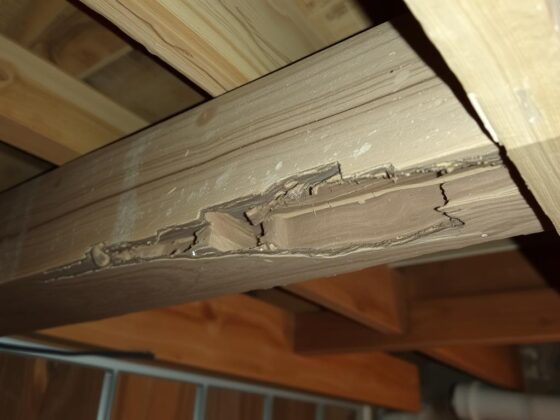
A safer way to use this page is to turn the topic into a checklist for the onsite conversation. The reader does not need a dramatic claim or a universal answer; the reader needs to know which details change the decision and which details belong in a professional report or written proposal.
TermiteHQ content is educational planning support. It does not replace a licensed local inspection, pesticide-label directions, structural advice, real-estate compliance review, warranty interpretation, or local regulatory judgment. Use the sections below to organize questions before approving any inspection, treatment, repair, monitoring, or renewal decision.
What the Decision Really Depends On
The first question is not which option sounds stronger. The first question is what the inspection found and what the property allows. A technician may see mud tubes, damaged wood, frass, swarm evidence, moisture, earth-to-wood contact, inaccessible wall voids, old treatment marks, or conditions that invite future pressure. Each of those details changes how a treatment proposal should be read.
Ask for the written difference between visible evidence and assumptions. A useful report should identify what was inspected, what could not be accessed, what evidence was observed, whether signs appeared current or historical, and which conditions could affect future termite pressure. When the topic involves treatment, the proposal should also explain the method, coverage area, follow-up schedule, warranty limits, and homeowner preparation responsibilities.
What Homeowners Can Safely Review
Homeowners can safely review visible clues, moisture patterns, access limits, prior paperwork, warranty dates, photos, repair records, and written quotes. They should not disturb suspected galleries, open structural members, apply pesticides without label direction, or assume that one visible sign describes the entire property. A calm record of what was seen is more useful than a rushed conclusion.
Useful notes include the room or exterior wall, the height of the sign, nearby moisture, recent swarming, landscaping contact, previous treatment stickers, and whether the area is accessible. Those notes help a professional inspect faster and explain findings more clearly.
Questions to Ask Before Approving the Next Step
- What exact evidence was found, and where was it located?
- Which areas were inaccessible or only partly inspected?
- Does the proposal address active evidence, prevention, monitoring, or a combination of goals?
- Which treatment areas, stations, follow-up visits, renewal fees, retreatment terms, and exclusions are written into the plan?
- What conditions around the property could reduce effectiveness or increase future termite pressure?
- Which statements come from the inspection report, and which are sales recommendations?
- Which parts of the decision require a licensed local professional, product-label direction, structural review, or real-estate compliance review?
Common Mistakes to Avoid
The biggest mistake is treating one visible clue, one brand name, or one price as the whole answer. Termite decisions are property-specific. A written plan should connect evidence, method, access, monitoring, warranty terms, and limits. If the plan skips those details, ask for clarification before approving the work.
Another mistake is assuming that online comparisons can choose a treatment for a building. Online education can help you understand vocabulary, questions, and tradeoffs, but a qualified local professional must inspect the structure and follow applicable rules before final recommendations are made.
Helpful TermiteHQ Next Steps
Use the Termite Inspection resources to understand report language, the Treatment and Prevention hub to compare method categories, and the Termite Risk Score as planning context before a local inspection. For editorial standards, review the Source Methodology and Expert Review Policy.
Frequently Asked Questions
Can one option be chosen from an online article alone?
No. A termite option should be matched to inspection findings, property access, termite pressure, label directions, and written warranty terms. Online guidance can prepare better questions, but it cannot inspect the structure.
What should be in writing before work starts?
Ask for the inspected areas, findings, proposed method, covered zones, follow-up schedule, preparation steps, warranty terms, renewal fees, exclusions, and any conditions that could affect the outcome.
Should old termite evidence be ignored?
No. Old evidence can still matter because it may show where termites entered before, where access is difficult, or where documentation is incomplete. The key is to separate historical signs from current activity during an onsite inspection.
Sources and Methodology
TermiteHQ content prioritizes inspection findings, property-specific variables, source-aware wording, and professional boundaries. Treatment, pesticide, structural, warranty, cost, and real-estate statements should be verified against appropriate sources such as university extension guidance, EPA and product-label context, state licensing resources, professional standards, and the TermiteHQ Source Methodology.
Bottom Line
Use “Termite Inspection Orange County: The Complete Homeowner’s Guide” as a decision framework, not as a one-size-fits-all answer. The safer path is to compare written findings, method scope, access limits, follow-up, warranty language, and professional responsibilities before approving the next step.
What to Confirm Before You Rely on the Inspection
Before you rely on Termite Inspection Orange County: The Complete Homeowner's Guide, confirm what the inspector actually observed, which areas were inaccessible, and whether the report separates visible evidence from professional interpretation. A useful inspection summary should distinguish active evidence, past evidence, conducive conditions, moisture issues, wood-to-soil contact, and places where additional access or follow-up may be needed.
Ask for photos, location notes, and plain wording for any finding that affects treatment, repair, warranty, or a real-estate deadline. If the report recommends treatment, the recommendation should explain why that option fits the visible evidence and property conditions. It should not sound like a universal answer for every home or a promise that future termite pressure cannot occur.
Local Context to Discuss With the Inspector
Local termite pressure can vary by climate, soil moisture, construction style, landscaping, seasonal swarming patterns, and nearby structural history. A location-based article can help you prepare better questions, but it cannot confirm whether a specific home has active termites without an onsite inspection.
Ask the inspector how local species pressure, moisture exposure, foundation details, and neighborhood conditions affect the inspection plan. For real-estate transactions, also ask how findings are documented, which areas were inaccessible, and whether any local form, disclosure, or lender requirement changes the timing of the next step.
Questions to Ask Before the Next Decision
Before approving treatment, repair, or warranty work, ask what evidence supports the recommendation, what alternatives were considered, and which parts of the property still need monitoring. Ask whether the provider found conditions that attract termites, such as moisture, wood-to-soil contact, cellulose debris, cracks, inaccessible voids, or untreated additions.
Keep the final decision tied to written findings. A clear termite plan should tell you what was inspected, what was not accessible, what is being treated or monitored, how follow-up is handled, and what would trigger a different recommendation later. That gives you a safer way to compare options without relying on pressure language or unsupported certainty.